

What Is Tapioca Glucose Syrup? Functional Uses in Food Manufacturing

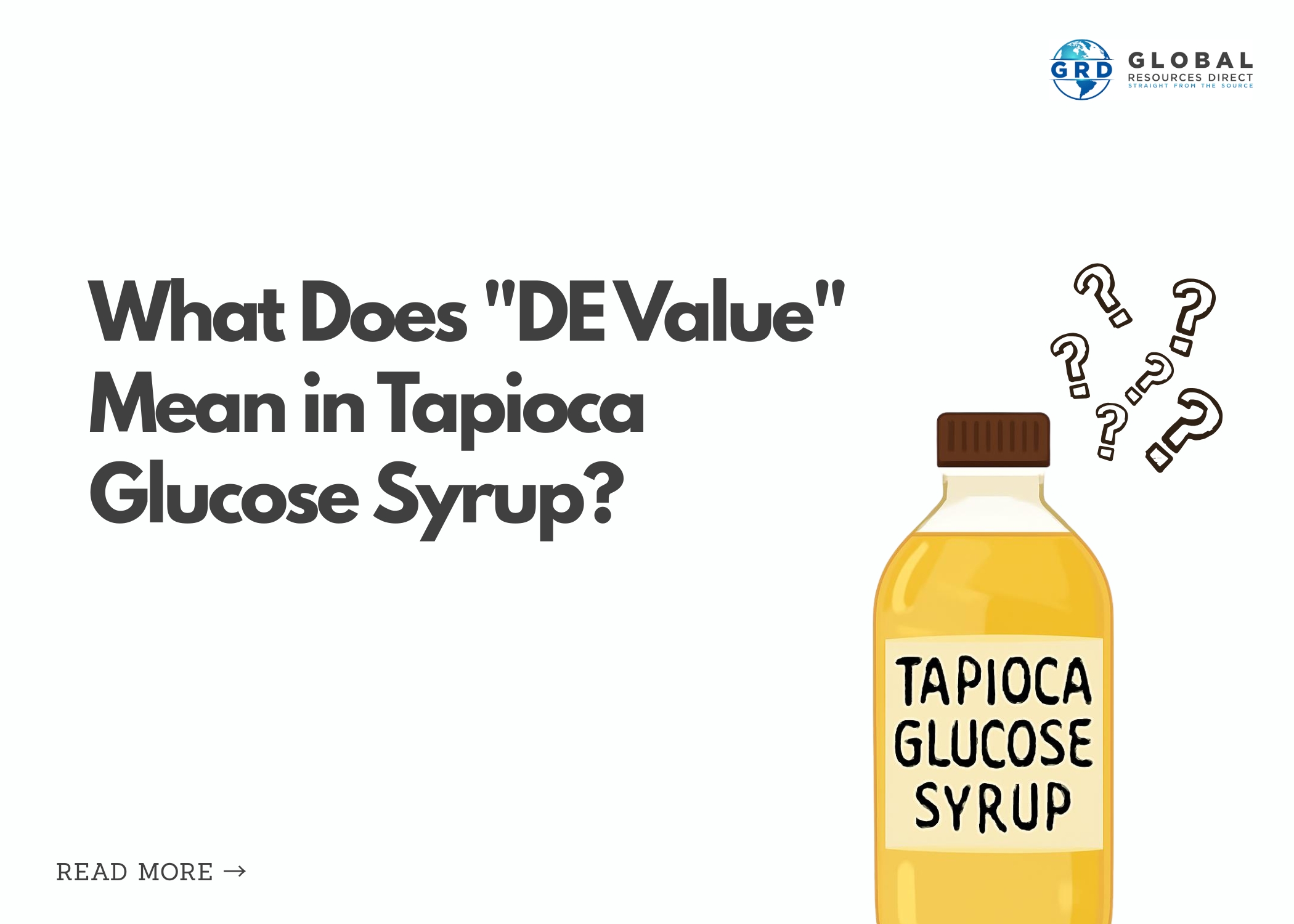
Tapioca glucose syrup is a neutral liquid sweetener made by breaking cassava (tapioca) starch into glucose and maltose. It does more than sweeten: it binds dry ingredients, holds moisture, and controls crystallization. A common 42 dextrose equivalent (DE) grade balances mild sweetness with strong binding.
For manufacturers, the draw is a clean-label, non-corn story with neutral flavor and color. Match the DE to the job, and it slots into bars, confections, baked goods, and sauces, pumping into a formula like any other glucose syrup.
What Tapioca Glucose Syrup Is
The syrup starts as cassava starch and ends as a neutral, multi-functional sweetener. Three points define it.
How It Is Made
Tapioca glucose syrup is produced by enzymatic hydrolysis, which breaks cassava starch into glucose, maltose, and higher sugars. The result is neutral in flavor and color, plant-based, and naturally gluten-free.
Dextrose Equivalent and Function
DE measures how far the starch is broken into sugars, and it sets behavior. Low-DE syrups are more viscous and bind well but taste less sweet, while high-DE syrups are sweeter and thinner. A 42 DE grade sits in the middle, balancing binding with mild sweetness.
A Non-Corn, Non-GMO Alternative
Because no commercial GMO tapioca crop exists, the syrup supports non-GMO and clean-label positioning. That makes it a direct answer for brands moving away from corn syrup and high-fructose corn syrup. For clean-label lines, the swap can simplify an ingredient deck without changing how the formula behaves.
Functional Uses in Food Manufacturing
Tapioca glucose syrup earns its place by doing several jobs at once. The main ones follow.
Binding and Moisture Retention
At lower DE levels, the syrup is viscous enough to bind dry mixes, which is why it anchors bars and clusters. As a humectant, it also holds moisture, keeping products soft and extending shelf life. That humectancy keeps bars chewy rather than dry and hard, protecting mouthfeel deep into shelf life.
Sweetness and Crystallization Control
The syrup adds mild sweetness without cereal or caramel notes, so it preserves a formula's intended flavor. It also controls sugar crystallization in confections and helps limit ice crystals in frozen desserts, keeping fillings and ice cream smooth instead of grainy over time.
When heated, the syrup's sugars can brown through a Maillard reaction, adding color and a light caramel note where a formula wants it.
Common Applications
The same syrup shows up across categories, each drawing on a different property.
-
Energy and protein bars, granola, and cereal clusters
-
Confectionery and hard or chewy candies
-
Baked goods that need moisture and body
-
Sauces, ice cream, and beverages
How to Choose and Spec Tapioca Glucose Syrup
Specifying the syrup comes down to DE and the clean-label claims you need. Two steps finish it.
Match DE to the Job
Pick a lower DE when binding and body matter most, and a higher DE when sweetness and faster solubility lead. A 42 DE grade covers many bar, confection, and bakery uses in one syrup.
Set the Spec and Claims
A clear spec keeps sweetness and viscosity consistent across lots.
-
Confirm the DE and solids target for sweetness and body
-
State non-GMO or organic status where the label requires it
-
Confirm gluten-free handling and drum or tote format
Tapioca Glucose Syrup vs Corn Syrup
The syrup is often chosen as a direct corn syrup alternative, so the comparison matters. Function is close; positioning and cost are where they part.
Where Each Fits
Both are glucose syrups that bind, sweeten, and control crystallization. Corn syrup is the low-cost commodity option, while tapioca suits non-corn and non-GMO clean-label lines. Another grain-based route is brown rice syrup.
Weigh Cost and Positioning
Tapioca glucose syrup usually costs more than corn syrup, and the trade is a cleaner label, the same way brands weigh other sweetener decisions and sweetener trade-offs.
Wrap-up
Tapioca glucose syrup is a neutral, multi-functional sweetener that binds, holds moisture, and controls crystallization, all with a non-corn label story. Match the DE to the job, and it replaces corn syrup across bars, confections, and baked goods.
Need bulk tapioca glucose syrup or other bulk sweeteners and syrups for your line? Contact Global Resources Direct for same-day quotes, competitive pricing, and flexible minimums.
Frequently Asked Questions
What is tapioca glucose syrup made from?
Tapioca glucose syrup is made from cassava (tapioca) starch, broken down into glucose and maltose through enzymatic hydrolysis. The result is a neutral, plant-based liquid sweetener.
What does the 42 DE grade mean?
DE, or dextrose equivalent, measures how far the starch is converted into sugars. A 42 DE grade balances mild sweetness with good binding and body, which suits many bar and confection formulas.
Is tapioca glucose syrup a good corn syrup replacement?
Yes, it performs similar functions as a glucose syrup while offering a non-corn, non-GMO label story. Manufacturers often switch to it to move away from corn syrup and high-fructose corn syrup.
What functional roles does it play besides sweetening?
Beyond sweetness, it binds dry ingredients, retains moisture as a humectant, adds body, and controls sugar and ice crystallization. That lets one ingredient replace several additives.
Is tapioca glucose syrup gluten-free and non-GMO?
The syrup is naturally gluten-free and, because no commercial GMO tapioca crop exists, widely available as non-GMO. Confirm certification and handling with your supplier for label claims.
Which products commonly use tapioca glucose syrup?
Energy and protein bars, granola clusters, confectionery, baked goods, sauces, ice cream, and beverages all use it. Each application draws on a different mix of sweetness, binding, and moisture control.
Latest Post