

Unlocking the Power of Coconut Cream: A Comprehensive Guide to Its Benefits

In the global landscape of food and wellness, few ingredients have demonstrated the versatility and appeal of coconut cream. Once a staple confined to specific tropical cuisines, it has emerged as a cornerstone ingredient in plant-based diets, gourmet kitchens, and clean-beauty formulations worldwide. For consumers, it represents a delicious, dairy-free alternative; for businesses, it is a functional, high-value component for product innovation. This comprehensive guide will explore the significant coconut cream benefits, detail precisely how to use coconut cream effectively, and delve into its applications for natural skincare, providing a definitive resource for unlocking its full potential.
What Exactly Is Coconut Cream? A Foundational Overview
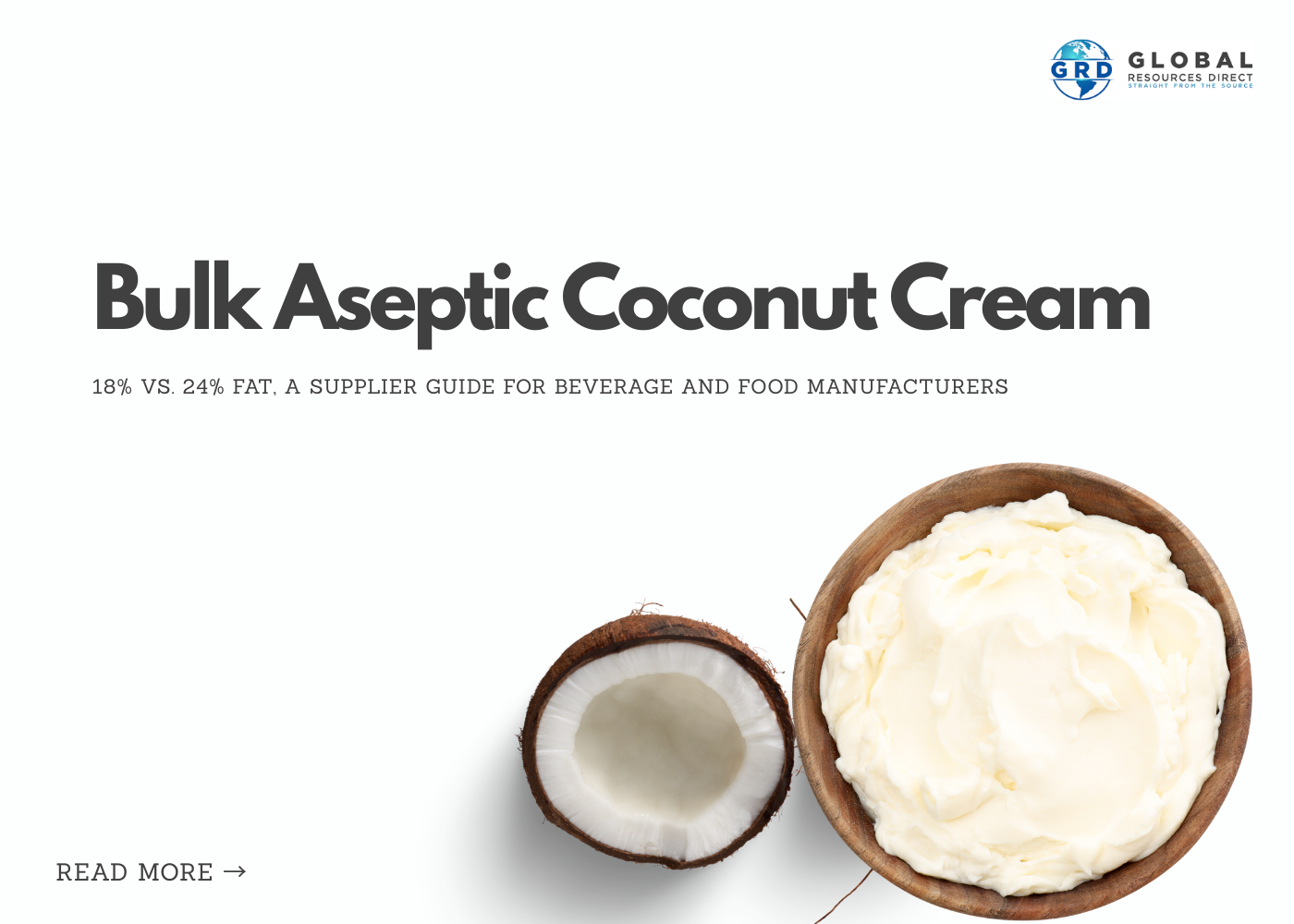
To fully appreciate its applications, it is crucial to understand what coconut cream is and, just as importantly, what it is not. Coconut cream is produced by simmering grated mature coconut flesh in water. The resulting mixture is then strained, and the high-fat, thick liquid that rises to the top is skimmed off, this is coconut cream.
- Coconut Cream vs. Coconut Milk: The primary difference is fat content and consistency. Coconut cream contains significantly less water and more fat (typically 20-24%) than coconut milk (typically 10-15%), resulting in a thicker, richer, and more viscous texture.
- Coconut Cream vs. Cream of Coconut: These are not interchangeable. Cream of coconut is a sweetened, processed product akin to a syrup, primarily used in cocktails and desserts. True coconut cream is unsweetened and valued for its pure, rich coconut flavor and functional properties.
For food manufacturers and chefs, its high fat content makes it an exceptional emulsifier and texturizer, crucial for creating the desired mouthfeel in everything from vegan yogurts to premium soups.
Analyzing the Nutritional Profile and Coconut Cream Benefits
The discussion surrounding the health impact of coconut cream is nuanced. It offers a unique nutritional profile that presents both distinct advantages and important considerations. The primary coconut cream benefits stem from its unique fatty acid composition.
Medium-Chain Triglycerides (MCTs) for Energy and Metabolism: Coconut cream is a rich source of Medium-Chain Triglycerides (MCTs), particularly lauric acid. Unlike long-chain fatty acids found in many other fats, MCTs are metabolized differently. They are transported directly from the gut to the liver, where they can be used as a rapid source of energy or converted into ketones. Ketones are a highly efficient fuel source for the brain, making coconut cream a popular ingredient in ketogenic and paleo diets. This quick energy conversion is a key benefit for athletes and individuals seeking sustained vitality without the energy crash associated with high-sugar foods.
A Balanced View on Saturated Fat and Heart Health It is impossible to discuss coconut cream benefits without addressing its high saturated fat content. A single cup of coconut cream can contain over 50 grams of saturated fat. The American Heart Association recommends limiting saturated fat intake to approximately 13 grams per day for a standard 2,000-calorie diet.
However, the scientific community continues to debate the specific impact of the MCTs in coconut. Some research suggests that lauric acid may help balance cholesterol levels by increasing "good" HDL cholesterol. Conversely, other studies maintain that high intake of any saturated fat can elevate "bad" LDL cholesterol, a risk factor for heart disease.
The Professional Recommendation: Moderation is paramount. When incorporating coconut cream into a diet, it should be done mindfully as part of a balanced nutritional plan rich in fruits, vegetables, and lean proteins. Furthermore, always opt for unsweetened varieties, as sweetened versions can contain significant added sugars that negate any potential health advantages. Individuals with pre-existing cardiovascular conditions or high cholesterol should consult a healthcare professional before making it a dietary staple.
How to Use Coconut Cream in Culinary Applications
The rich texture and subtle sweetness of coconut cream make it a culinary champion. Understanding how to use coconut cream can elevate dishes from ordinary to extraordinary across a spectrum of applications.
The Foundation of Dairy-Free Desserts and Coconut Ice Cream: For the B2C market, coconut cream is the secret to decadent, dairy-free desserts. Its high fat content is essential for creating a luxuriously smooth and creamy texture, preventing the formation of ice crystals. This makes it the perfect base for a homemade coconut ice cream.
- Why it Works for Coconut Ice Cream: The fat globules in coconut cream mimic those in dairy cream, creating a stable emulsion that freezes into a scoopable, rich dessert.
- B2B Application: This property is leveraged by commercial food producers to formulate premium, plant-based frozen desserts, mousses, and cheesecakes that appeal to the growing vegan and lactose-intolerant consumer base.
Simple Homemade Coconut Ice Cream Starter:
- Chill a can of full-fat coconut cream in the refrigerator overnight.
- Scoop out the solidified cream, leaving the watery liquid behind.
- Whip the solid cream with a sweetener of choice (like maple syrup or agave) and a splash of vanilla extract until smooth.
- Churn in an ice cream maker according to manufacturer instructions, or freeze in a loaf pan for a no-churn version, stirring every 30 minutes for the first 2 hours.
Global Cuisine and Savory Dishes: Coconut cream is a foundational ingredient in many savory dishes around the world, particularly in Thai, Indian, Polynesian, and Caribbean cuisines. It imparts a creamy richness that balances spice and acidity.
- Curries and Soups: Adds body and a velvety finish to Thai green curry or a hearty lentil dahl.
- Sauces and Marinades: Creates a luscious base for sauces to accompany fish or chicken and acts as a tenderizing agent in marinades.
A Practical Guide: For ultimate freshness and purity, you can make your own coconut cream.
- Blend: Combine 2 cups of unsweetened, shredded coconut with 2 cups of very hot (not boiling) water in a high-speed blender.
- Process: Blend on high for 2-3 minutes until the mixture is thick and creamy.
- Strain: Pour the mixture through a nut milk bag or several layers of cheesecloth into a bowl, squeezing firmly to extract all the liquid. This liquid is full-fat coconut milk.
- Separate: Cover the bowl and refrigerate for 12-24 hours. The thick cream will rise to the top and solidify, ready to be scooped off and used.
The Benefits of Coconut Cream for Skin and Hair Care
Beyond the kitchen, the unique properties of coconut cream make it a prized ingredient in cosmetology. The application of coconut cream for skin is rooted in its rich fatty acid and antioxidant content.
A Natural Moisturizer and Barrier Support: The high concentration of healthy fats in coconut cream makes it an exceptional emollient. When applied topically, it helps lock in moisture, leaving skin feeling soft, hydrated, and supple. These fatty acids are integral to fortifying the skin's natural lipid barrier, which protects against environmental stressors and prevents transepidermal water loss. For formulators in the beauty industry, this makes coconut cream for skin products an excellent clean-label ingredient for lotions, body butters, and hydrating masks.
Soothing and Anti-Aging Properties: Coconut cream contains natural properties that can help calm irritated or sensitive skin, making it suitable for soothing minor redness or dryness. Furthermore, it contains antioxidants like Vitamin C and Vitamin E, which help combat free-radical damage—a primary contributor to premature aging, fine lines, and wrinkles.
Nourishment for Hair: The same fatty acids that benefit the skin can penetrate the hair shaft, providing deep moisture and nourishment from within. Using coconut cream as a hair mask can help reduce frizz, enhance shine, and improve the overall health and elasticity of dry, damaged hair.
Selecting and Storing
To maximize the coconut cream benefits, proper selection and storage are essential.
- What to Look For: Choose full-fat, unsweetened coconut cream. Check the ingredient list; the best products contain only coconut and water. Some may include guar gum, a natural stabilizer that prevents separation, which is generally acceptable. For both consumer health and B2B quality control, sourcing products in BPA-free cans is highly recommended.
- Ethical Sourcing: As demand grows, so does the importance of sustainable and ethical farming practices. Brands and consumers should look for certifications that ensure fair labor practices and environmentally responsible cultivation.
- Storage: Unopened cans should be stored in a cool, dark pantry. Once opened, transfer any unused cream to a sealed glass container and refrigerate for up to 5-7 days. It is normal for the cream to separate and solidify when chilled; simply stir or warm it gently to restore its consistency.
Conclusion
Coconut cream is undeniably a multifaceted ingredient with a powerful profile. From creating decadent coconut ice cream to forming the base of nourishing skincare, its applications are vast and impressive. The key to harnessing the full spectrum of coconut cream benefits lies in informed and mindful usage. By understanding how to use coconut cream in culinary creations, appreciating its role as a natural solution for skin health, and acknowledging the nutritional context of its high fat content, both consumers and industries can effectively unlock its power. It stands as a testament to nature's ingenuity—a single ingredient that delivers on flavor, function, and wellness.
FAQs
Q1. What are the key coconut cream benefits?
Coconut cream offers a unique blend of internal and external benefits, renowned for its high medium-chain triglycerides (MCTs) that provide quick energy and assist in metabolism. Its rich fatty acid profile supports heart health when used mindfully and contributes to skin hydration and nourishment. This versatility makes it a sought-after ingredient in both dietary and cosmetic applications.
Q2. How can I incorporate coconut cream in my recipes?
There are numerous ways to enjoy coconut cream in the kitchen. It can be used as a base for rich sauces, curries, and soups, and is excellent in dairy-free desserts like coconut ice cream. Its creamy texture elevates both savory and sweet dishes, making it integral for chefs and home cooks alike.
Q3. What is the difference between coconut cream and coconut milk?
Coconut cream and coconut milk are derived from the same source, but differ in fat content and consistency. Coconut cream is much thicker and richer, making it ideal for recipes that require a robust texture, while coconut milk is more diluted and is better suited for lighter beverages and soups. This distinction is crucial for culinary professionals aiming to achieve the perfect balance in their dishes.
Q4. How does coconut cream benefit skin and hair?
When used topically, coconut cream for skin deeply moisturizes, helps soothe irritation, and strengthens the skin’s natural barrier. It is rich in antioxidants that can reduce signs of aging, and its nourishing fatty acids work wonders on hair by reducing frizz and enhancing shine. This makes it an ideal natural ingredient for both skincare products and DIY beauty treatments.
Q5. Can coconut cream impact heart health?
Coconut cream benefits include providing MCTs that can improve energy metabolism, but its high saturated fat content requires mindful consumption. While some studies suggest lauric acid may help raise "good" HDL cholesterol, excessive intake might also elevate LDL cholesterol. As such, moderation and balance in overall dietary fat are essential, especially for those with cardiovascular concerns.
Q6. How do I properly store and select quality coconut cream?
For optimal coconut cream benefits, always choose a full-fat, unsweetened variety without unnecessary additives. Look for products in BPA-free packaging and those that prioritize ethical sourcing practices. Once opened, store the cream in an airtight container in the refrigerator and use it within 5–7 days to preserve its freshness and nutritional value.
Q7. What makes coconut ice cream a popular use of coconut cream?
Coconut ice cream utilizes the natural richness and high fat content of coconut cream to create a smooth, creamy texture without dairy. This prevents the formation of large ice crystals, resulting in a dessert that is both indulgent and refreshing. Its popularity is driven by both the unique flavor profile and the functional benefits it offers to the dairy-free market.