

Everything You Need To Know About Buying Organic Coconut Milk And Cream In Bulk

Is Coconut Cream a Dairy Product? Debunking Common Myths
One of the most frequently asked questions in the organic market is: Is coconut cream a dairy product? The answer is unequivocal: coconut cream is not a dairy product. Derived directly from the grated meat of mature coconuts and water, coconut cream is completely plant-based. This fact has tremendous implications for both business owners and consumers, as it aligns with dietary trends and restrictions such as veganism and lactose intolerance.
Understanding is coconut cream is a dairy product is critical for anyone considering organic coconut products. Unlike traditional dairy cream, coconut cream has a high fat content naturally found in coconut flesh, contributing to its rich, creamy texture. This property enables its use as an excellent substitute in recipes that typically require dairy cream.
Moreover, clarifying is coconut cream is a dairy product helps businesses navigate consumer expectations and marketing claims. Communicating that coconut cream is dairy-free ensures that products are positioned correctly within the market and meet the needs of customers seeking dairy-free alternatives.
The Advantages of Purchasing Coconut Milk in Bulk
For businesses aiming to optimize procurement processes, buying coconut milk in bulk is a strategic choice. Bulk purchasing not only reduces costs but also ensures consistency in product quality, a must for high-volume food production and specialty retail operations.
Economic Efficiency and Sustainability
Purchasing coconut milk in bulk enables companies to leverage economies of scale. Bulk orders often come with significant cost savings, which is especially beneficial for manufacturers and restaurants that use organic coconut milk as a core ingredient. Furthermore, bulk packaging minimizes waste and reduces the overall carbon footprint associated with single-use retail packaging.
Consistent Quality and Supply Chain Reliability
When buying coconut milk in bulk, the importance of a reliable coconut milk supplier cannot be overstated. Establishing long-term relationships with verified suppliers ensures that you receive products that are consistently processed using Ultra High-Temperature (UHT) techniques in aseptic packaging. This process preserves the natural flavors and nutritional benefits of the coconut milk, features that are crucial in maintaining customer satisfaction and trust.
Market Adaptability
As consumer awareness of organic and sustainable products increases, the demand for coconut milk in bulk has surged. Both large-scale manufacturers and boutique food businesses are capitalizing on this trend. Whether you are a distributor, a gourmet restaurant, or a health food store, ensuring a steady supply of organic coconut milk positions you favorably in market segments where quality and sustainability are paramount.
By actively investing in coconut milk in bulk, businesses not only achieve significant cost reductions but also meet the growing consumer demands for authentic, high-quality organic ingredients.
Strategies for Coconut Cream Wholesale: Essential Considerations
Entering into a coconut cream wholesale agreement requires careful scrutiny of several factors to ensure the product’s quality, sustainability, and compliance with organic standards. When considering coconut cream wholesale, you must assess both the supplier’s capabilities and the processing methods used.
Certifications, Transparency, and Ethical Sourcing
A leading factor in coconut cream wholesale acquisitions is verifying that products meet rigorous organic standards. Look for certifications from reputable bodies such as the British Retail Consortium (BRC) and the Soil Association, which are indicators that the product is ethically sourced and processed. A responsible coconut milk supplier will provide transparent documentation of these certifications, ensuring that every batch of organic coconut cream meets industry standards.
Process and Packaging Excellence
One critical aspect of coconut cream wholesale is the processing method. The best suppliers use UHT processing to sterilize the product, thereby ensuring extended shelf life and maintaining the integrity of the natural ingredients. Additionally, when you opt for coconut cream bulk orders, the packaging—typically in large drums or aseptic bags—helps preserve freshness while minimizing the environmental impact of disposable packaging.
Ingredient Purity
Top-tier suppliers of coconut cream wholesale emphasize ingredient purity. An organic coconut cream should ideally contain only pure coconut extract and water, free from artificial stabilizers or additives unless they are certified organic. Ensuring that there are no unnecessary additives not only enhances the taste but also strengthens your brand’s commitment to quality and transparency.
Market and Trend Insights
Current market trends show that the organic coconut product industry is expanding rapidly. With projections indicating continued growth in consumer demand for liquid organic products, securing coconut cream wholesale contracts now can position your business for future success. Better yet, integrating bulk purchasing strategies, such as coconut cream bulk orders, can help you maintain competitive pricing and a continuous supply.
Through careful evaluation and adherence to these strategies, businesses looking to secure coconut cream wholesale agreements can minimize risk, ensure quality, and embrace sustainability.
How to Choose the Right Coconut Milk Supplier for Your Needs
Finding a dependable coconut milk supplier is essential for any business that depends on consistent organic ingredients. A reliable coconut milk supplier not only delivers high-quality products but also strengthens your supply chain management.
Verifying Supplier Credentials
When evaluating a potential coconut milk supplier, start by examining their credentials. Look for suppliers who are certified organic and have received accolades such as BRC or equivalent international certifications. These certifications guarantee that the products meet strict food safety and quality standards. Additionally, a reputable coconut milk supplier should offer transparent traceability, documenting the entire journey from coconut sourcing to final bulk processing.
Assessing Quality and Consistency
Quality assurance is paramount when partnering with a coconut milk supplier. It is advisable to request product samples of coconut milk in bulk and verify that the ingredient list is minimal—ideally, limited to coconut extract and water. Consistent quality across batches is a clear indicator that the supplier maintains stringent control over their manufacturing process, which directly impacts both coconut cream wholesale and coconut cream bulk offerings.
Evaluating Customer Service and Supply Chain Efficiency
Customer service is another critical factor when selecting a coconut milk supplier. A robust supplier will provide not only product quality but also exceptional post-sale support, timely delivery, and comprehensive guidance on handling and storing organic products. A proven history of reliable shipping and consistent order fulfillment further validates your choice of coconut milk supplier.
Strategic Partnership for Future Growth
Partnering with the right coconut milk supplier can open doors to additional benefits such as flexible payment terms, volume discounts, and priority access to new product innovations. For businesses planning to expand their organic offerings, ensuring a secure and scalable supply chain is essential. Whether you are looking to purchase coconut milk in bulk or negotiate coconut cream wholesale deals, establishing a strategic and long-term relationship with a top-tier coconut milk supplier is crucial.
Implementing these practices when choosing a coconut milk supplier not only secures the quality of your ingredients but also provides a competitive edge in the marketplace.
Best Practices for Managing Coconut Cream Bulk: Packaging, Storage, and Future Trends
When dealing with coconut cream bulk orders, adherence to best practices in storage, packaging, and logistics is vital to maintaining product integrity and maximizing shelf life. This section outlines the industry standards for handling coconut cream bulk and provides guidance on long-term storage solutions.
Advanced Packaging Solutions
The packaging of coconut cream bulk plays a pivotal role in preserving the quality of the product. Optimal packaging solutions for coconut cream bulk typically involve large-scale, aseptic containers—such as 20-liter drums or industrial-grade bags. These containers are designed to protect the product from contamination while maintaining its natural flavor and texture. The use of secure, sealed packaging helps prevent oxidation and prolongs the shelf life of the cream.
Temperature Control and Storage Guidelines
Effective temperature control is crucial when managing coconut cream bulk. Organic coconut cream products should be stored within a specific temperature range (typically between 4°C and 30°C before opening) to preserve freshness. Once opened, refrigeration at temperatures between 0°C and 4°C is recommended, with strict adherence to a consumption window (usually within 72 hours). Following these storage guidelines ensures that coconut cream bulk maintains its superior quality from production through to consumption.
Logistical Planning and Supply Chain Coordination
For businesses involved in the procurement of coconut milk in bulk or coconut cream wholesale, proper logistical planning is paramount. A robust supply chain should integrate efficient inventory management practices, ensuring that stock levels are maintained and product freshness is never compromised. Collaborating closely with a seasoned coconut milk supplier can provide insights into managing demand fluctuations, optimizing storage conditions, and negotiating timely shipments.
Conclusion
In today’s competitive market, understanding the full scope of buying organic coconut milk and cream in bulk is indispensable. From clarifying the question of is coconut cream is a dairy product to exploring the economic, environmental, and operational benefits of coconut milk in bulk, every facet of this process is critical for businesses and consumers alike.
By adopting best practices for coconut cream wholesale procurement and partnering with a reliable coconut milk supplier, you ensure that your supply chain remains robust and resilient. Whether managing coconut cream bulk orders through advanced packaging techniques or leveraging the cost efficiencies of bulk purchasing, every strategy contributes to long-term success and sustainability.
Investing in organic coconut products not only aligns with modern dietary trends and environmental priorities but also positions your business to capitalize on a rapidly growing market. As consumer trust continues to hinge on quality, transparency, and ethical sourcing, the decision to buy coconut milk in bulk or engage in coconut cream wholesale agreements becomes a strategic move that drives both profitability and sustainability.
Frequently Asked Questions
Q1. Is coconut cream a dairy product, and is it suitable for vegan diets?
No, coconut cream is not a dairy product. It is made entirely from the flesh of mature coconuts and water, making it 100% plant-based and suitable for vegan, lactose-free, and dairy-free diets. This non-dairy status makes coconut cream an ideal substitute for traditional dairy cream in both commercial food production and home cooking. Many businesses choose coconut cream wholesale specifically because it caters to the growing market of consumers with dietary restrictions.
Q2. What are the minimum order quantities when purchasing coconut milk in bulk?
Minimum order quantities for coconut milk in bulk vary significantly depending on the supplier and packaging format. Most commercial suppliers offer bulk options starting from 20-liter aseptic bags or drums, with some requiring minimum orders of one pallet (approximately 40-50 units). When negotiating with a coconut milk supplier, businesses can often secure better pricing and more flexible MOQs by establishing long-term contracts. It's advisable to discuss your specific volume requirements directly with suppliers to find the most suitable arrangement.
Q3. How long can organic coconut cream bulk products be stored, and what are the storage requirements?
Organic coconut cream bulk products processed using UHT technology typically have a shelf life of 18-24 months when stored unopened in appropriate conditions. Before opening, products should be stored at temperatures between 4°C and 30°C in a cool, dry place away from direct sunlight. Once opened, the product must be refrigerated at 0°C to 4°C and consumed within 72 hours to maintain quality and food safety. Proper storage management is crucial when dealing with coconut cream wholesale quantities to minimize waste and ensure product integrity.
Q4. How can I verify the quality and certifications of a coconut milk supplier?
When evaluating a coconut milk supplier, request documentation of their certifications, including organic credentials, BRC ratings, and any relevant food safety certifications. Reputable suppliers will readily provide certificates of analysis, traceability documentation, and product specifications for their coconut milk in bulk offerings. Additionally, ask for product samples to assess quality, check ingredient lists for purity (ideally just coconut and water), and verify that their processing facility is allergen-free. Building a relationship with a certified supplier ensures consistent quality for your coconut cream bulk purchases.
Q5. What's the difference between coconut milk and coconut cream when buying in bulk?
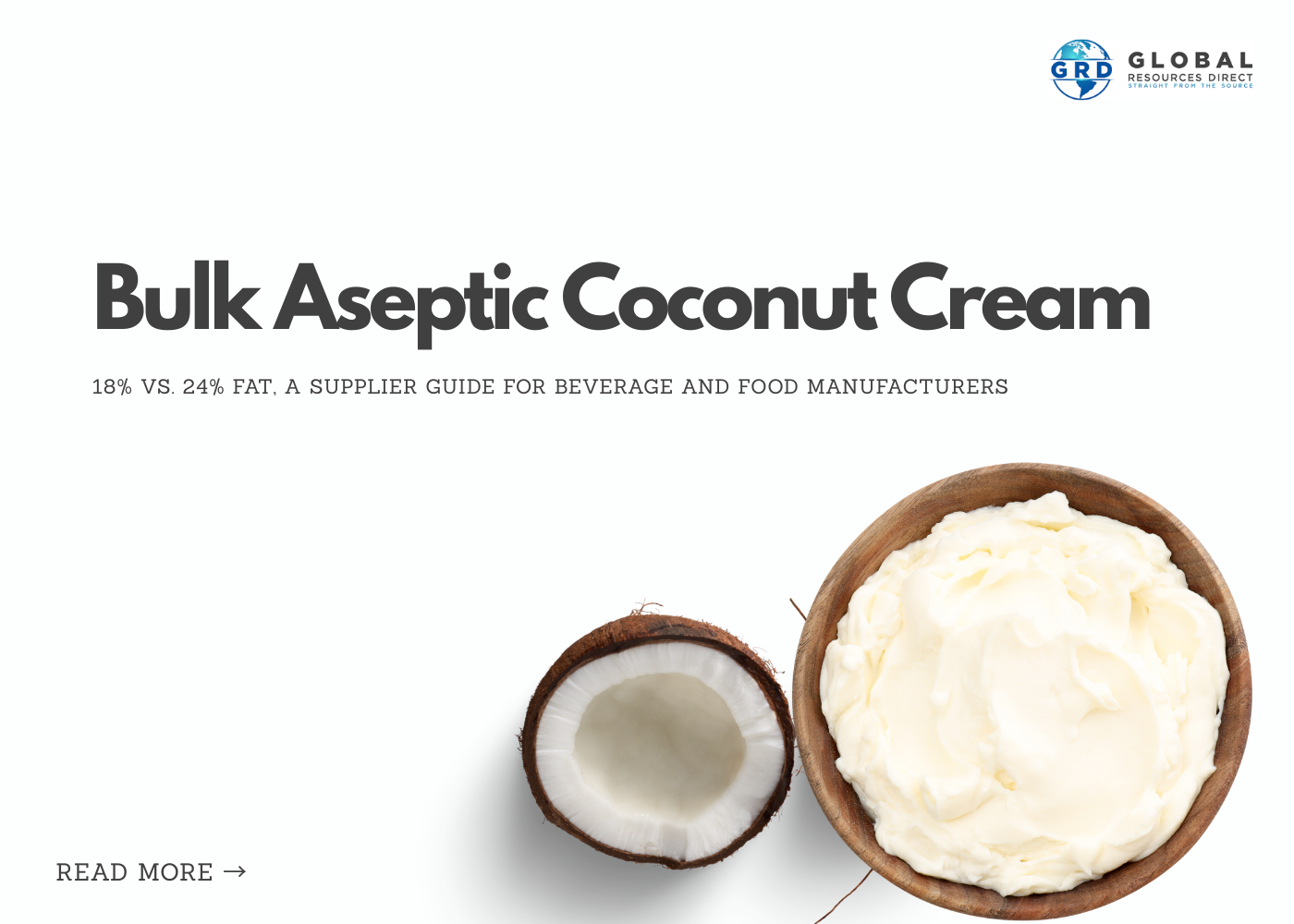
The primary difference between coconut milk and coconut cream lies in their fat content and consistency. Coconut cream bulk typically contains 24% fat content, resulting in a thick, rich texture ideal for desserts, curries, and premium applications. Coconut milk contains approximately 17% fat content, making it thinner and more suitable for beverages, soups, and general cooking. When purchasing from a coconut milk supplier, understanding these differences helps you select the right product for your specific applications and ensures optimal results in your end products.