

Healthy Seeds: Different Types of Seeds with Health Benefits

Coconut milk has earned its place in kitchens and wellness routines around the world. Known for its rich, creamy texture and subtle sweetness, it’s a versatile ingredient that supports both culinary creativity and nutrition. From traditional curries to trendy smoothies, coconut milk is more than just a plant-based milk substitute, it’s a nutrient-dense super ingredient with a growing list of health benefits.
What is Coconut Milk?
Coconut milk is a milky-white liquid extracted from the grated flesh of mature coconuts. It’s naturally dairy-free, lactose-free, and packed with healthy fats, making it a popular alternative to cow’s milk.
Coconut Milk vs. Coconut Cream
The difference between coconut milk and coconut cream lies in their fat content and consistency.
- Coconut milk contains a balanced ratio of water to coconut flesh, resulting in a lighter texture perfect for soups, beverages, and sauces.
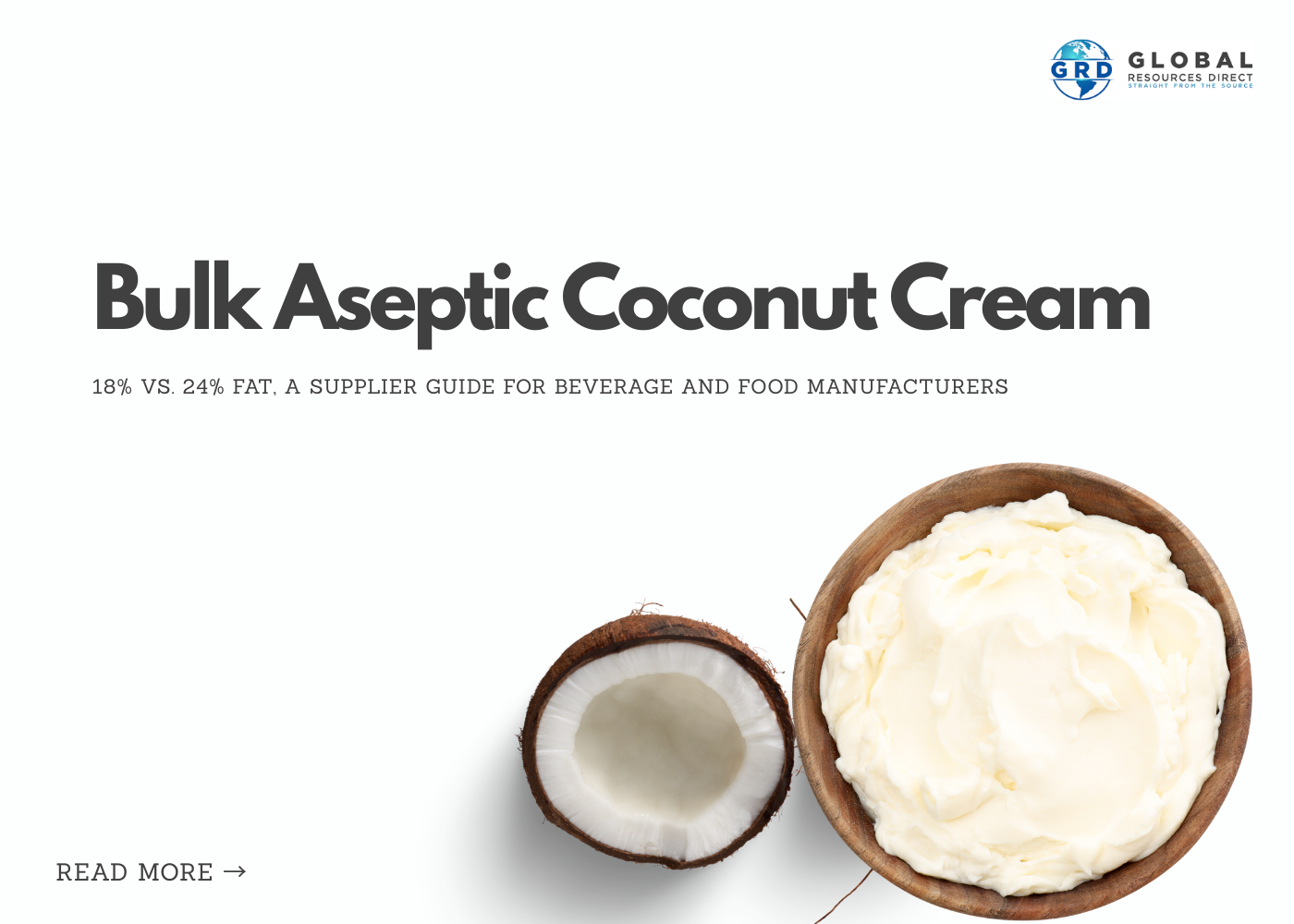
- Coconut cream, on the other hand, is thicker and richer, making it ideal for desserts, whipped toppings, and creamy curries.
How Coconut Milk is Made
The process involves grating fresh coconut meat, blending it with warm water, and then straining it through a cheesecloth or fine mesh. The first press produces rich coconut cream, while the second press yields lighter coconut milk.
Health Benefits of Coconut Milk
Coconut milk benefits extend well beyond taste. It’s a powerhouse of essential nutrients, healthy fats, and antioxidants.
- Rich Source of Nutrients
Coconut milk provides medium-chain triglycerides (MCTs), healthy fats that may boost metabolism and support brain function. It’s also a source of vitamins like C and E and minerals such as magnesium, iron, and potassium.
- Supports Heart Health
The MCTs in coconut milk may help increase good cholesterol (HDL) and reduce bad cholesterol (LDL) when consumed in moderation. This can contribute to better heart health and improved circulation.
- Antimicrobial Properties
Coconut milk contains lauric acid, known for its antimicrobial and antiviral properties. This compound supports the immune system and may help fight infections.
- Potential Weight Management Benefits
MCTs are digested quickly, providing a fast energy source and potentially promoting a feeling of fullness. This may support weight management when part of a balanced diet.
- Role in Digestion and Gut Health
The fat content in coconut milk may help with nutrient absorption, while its smooth texture is gentle on the digestive system. Some evidence suggests it may help reduce inflammation in the gut, making it suitable for people with sensitive digestion.
Nutritional Profile of Coconut Milk
Coconut milk nutrition is one of the key reasons behind its popularity as a plant-based milk alternative.
|
Nutrient (per 1 cup) |
Amount |
|
Calories |
~445 kcal |
|
Total Fat |
48 g |
|
Saturated Fat |
43 g |
|
Carbohydrates |
6 g |
|
Protein |
5 g |
|
Potassium |
497 mg |
|
Magnesium |
104 mg |
|
Vitamin C |
6.7 mg |
Values may vary by brand and thickness.
Comparison with Dairy Milk
Unlike cow’s milk, coconut milk is lactose-free and higher in fat but lower in carbohydrates and protein. For those with lactose intolerance or those following a plant-based diet, it’s a valuable coconut milk substitute with excellent culinary flexibility.
Uses for Coconut Milk in Cooking and Beyond
Culinary Uses in Various Cuisines
Coconut milk is a staple in many cuisines, especially in South and Southeast Asia. It’s used to create creamy curries, soups, stews, and sauces. Its rich texture enhances both sweet and savory dishes.
Incorporation in Smoothies and Beverages
Coconut milk adds creaminess and natural sweetness to smoothies, shakes, hot chocolate, and iced lattes. It’s a favorite among those who prefer dairy-free drink options.
Benefits for Hair and Skin
Coconut milk for hair is widely celebrated for its hydrating and nourishing properties. It can be applied as a hair mask to strengthen strands and add shine. When used on the skin, coconut milk provides soothing moisture, making it a common ingredient in natural skincare products.
Potential Side Effects of Coconut Milk
While coconut milk benefits are plentiful, it’s wise to be aware of potential side effects.
1. Allergic Reactions and Intolerance
Although rare, some people may be allergic to coconut or its derivatives. Symptoms may include itching, swelling, or digestive discomfort. Those with nut allergies should consult a healthcare provider before consuming.
2. High-Calorie Content and Weight Gain Concerns
Coconut milk is calorie-dense due to its high fat content. Overconsumption can contribute to unwanted weight gain, especially if other dietary fats are not balanced.
3. Interactions with Medications
Coconut products may interact with certain medications, particularly those related to cholesterol management. It’s best to discuss with a healthcare professional if you’re on prescribed medication.
How to Choose the Best Coconut Milk
- Opt for unsweetened coconut milk to avoid unnecessary added sugars.
- Look for high coconut extract content (ideally 60% or more) for better flavor and texture.
- Choose BPA-free cans or eco-friendly packaging when possible.
Understanding Labels: Additives and Preservatives
Some brands add gums, thickeners, or stabilizers. Reading the label helps ensure you’re buying a clean, pure product that fits your needs.
Recommendations
When buying for personal use or food production, selecting a brand with consistent quality is key. Bulk suppliers like Global Resources Direct (GRD) offer bulk coconut milk that maintains natural flavor and creamy consistency, ideal for beverage formulations and culinary applications.
Conclusion: The Versatility of Coconut Milk
Coconut milk is more than just a trendy plant-based ingredient — it’s a nutrient-rich, flavorful addition to both diets and personal care routines. From improving heart health and digestion to enhancing the taste and texture of your favorite dishes, it offers a unique combination of nutrition and versatility.
For businesses, partnering with Global Resources Direct for bulk coconut milk or organic coconut cream bulk ensures consistent quality, reliable supply, and full certification. Their product range, including bulk coconut milk powder and bulk desiccated coconut, is perfect for large-scale production and formulation.
Whether used in cooking, smoothies, or hair and skincare, coconut milk is a wholesome ingredient worth keeping on your shelf.
Key Takeaways
- Coconut milk is dairy-free, lactose-free, and rich in healthy fats and nutrients.
- It supports heart health, digestion, and may aid in weight management.
- It’s a versatile ingredient used in global cuisines, beverages, and beauty care.
- Overconsumption can contribute to weight gain, so moderation is important.
- Global Resources Direct offers premium-quality bulk coconut products for industrial and culinary use.
FAQs
1. What are the benefits of coconut milk?
Coconut milk is rich in healthy fats, vitamins, and minerals. It may support heart health, boost digestion, aid weight management, and offer antimicrobial benefits.
2. Is coconut milk healthier than dairy milk?
For those avoiding lactose or dairy, coconut milk is an excellent alternative. It has fewer carbohydrates but more healthy fats than cow’s milk, making it ideal for keto and plant-based diets.
3. Can coconut milk help with weight loss?
Coconut milk contains MCTs, which can increase satiety and energy expenditure. However, it’s calorie-dense, so moderation is key.
4. What are the nutritional facts of coconut milk?
One cup of coconut milk provides around 445 calories, 48 g of fat, 6 g of carbohydrates, and 5 g of protein. It’s also a source of potassium, magnesium, and vitamin C.
5. How can I use coconut milk in my diet?
Coconut milk can be added to smoothies, curries, soups, coffee, and desserts. It also works well as a dairy substitute in baking and sauces.